
NERC Urges Investors to Leverage Regulatory Frameworks to Boost Electricity Supply
NERC has called on investors to take advantage of existing regulatory frameworks to drive large-scale investments capable of improving electricity supply across the country.
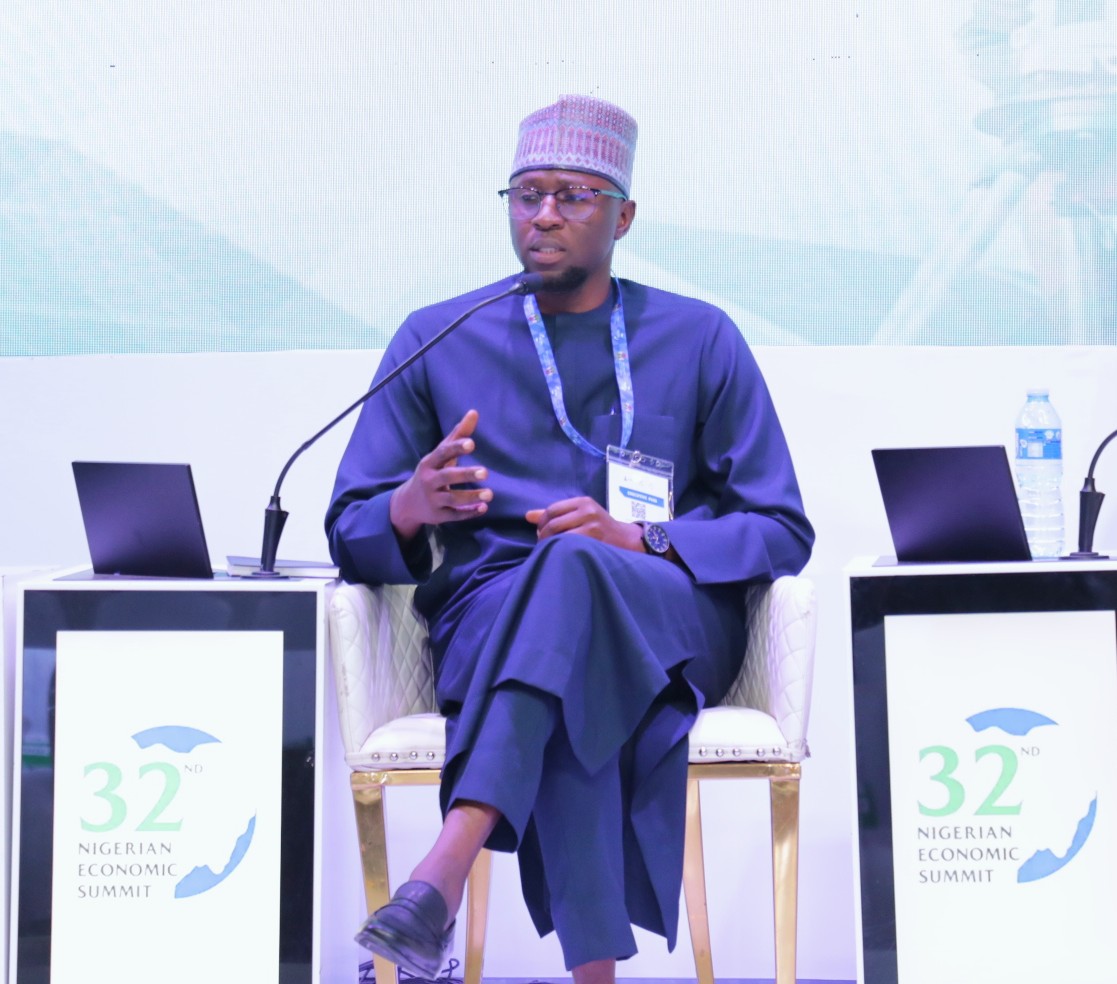
Speaking during an interactive panel at the 32nd Nigerian Economic Summit in Abuja on Tuesday, 27 October 2026, NERC Chairman, Dr. Musiliu Oseni, represented by the Commission’s Director of Economic Regulation, Mr. Abba Terab, highlighted the opportunities available within the power sector for investors seeking bankable and sustainable ventures.
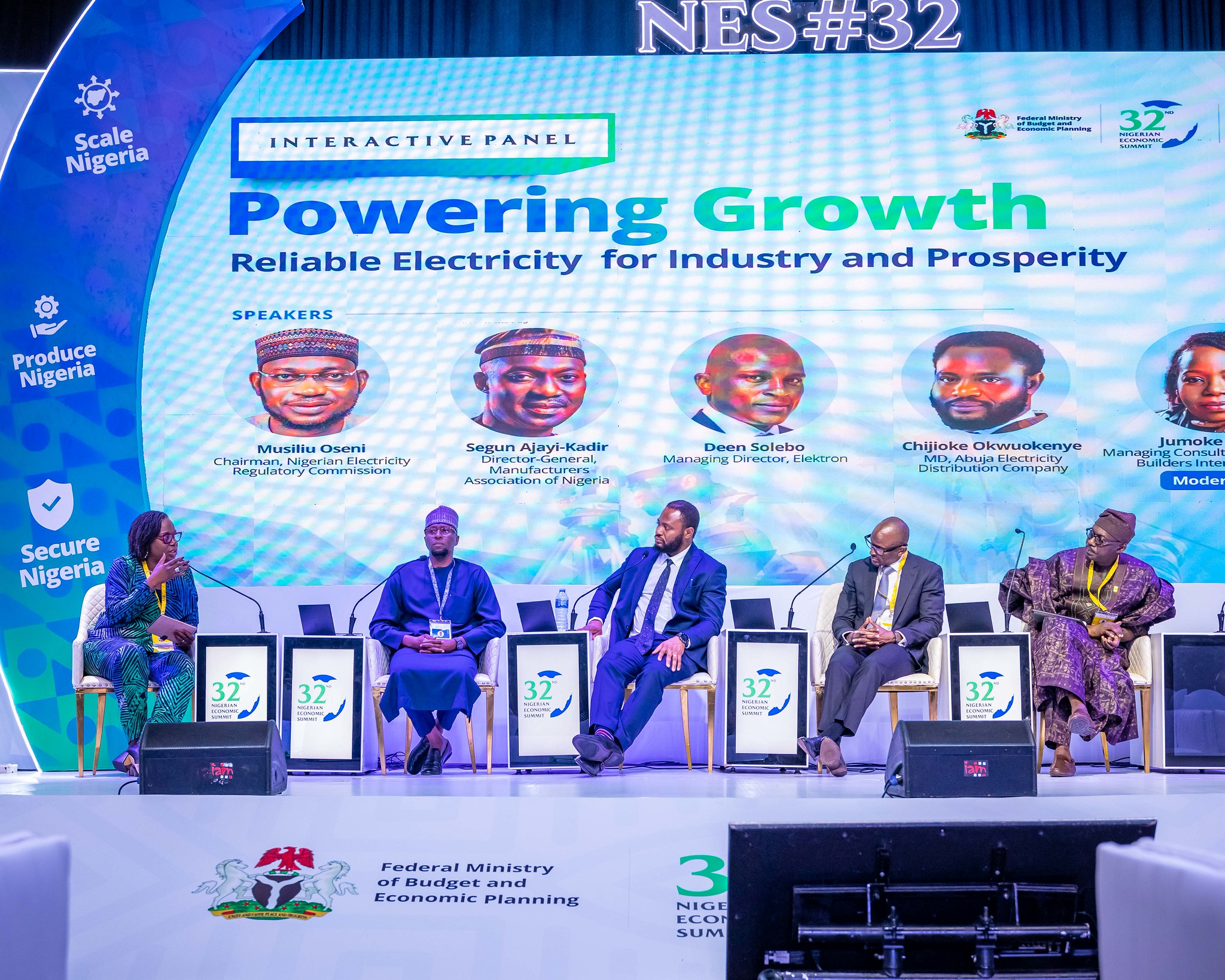
Addressing participants at the session themed “Power Growth: Reliable Electricity for Industry and Prosperity,” Mr. Terab noted that NERC has established several regulatory instruments designed to facilitate viable transactions and attract private sector capital into the electricity market.
Mr. Terab further added that the FG, in pursuit of Vision 30:30:30 target, has continued to liberalise the electricity sector through the provisions of the Electricity Act & supporting NERC regulations. He cited the promotion of decentralised electricity supply models, including embedded generation, as a key strategy for expanding access to reliable power.
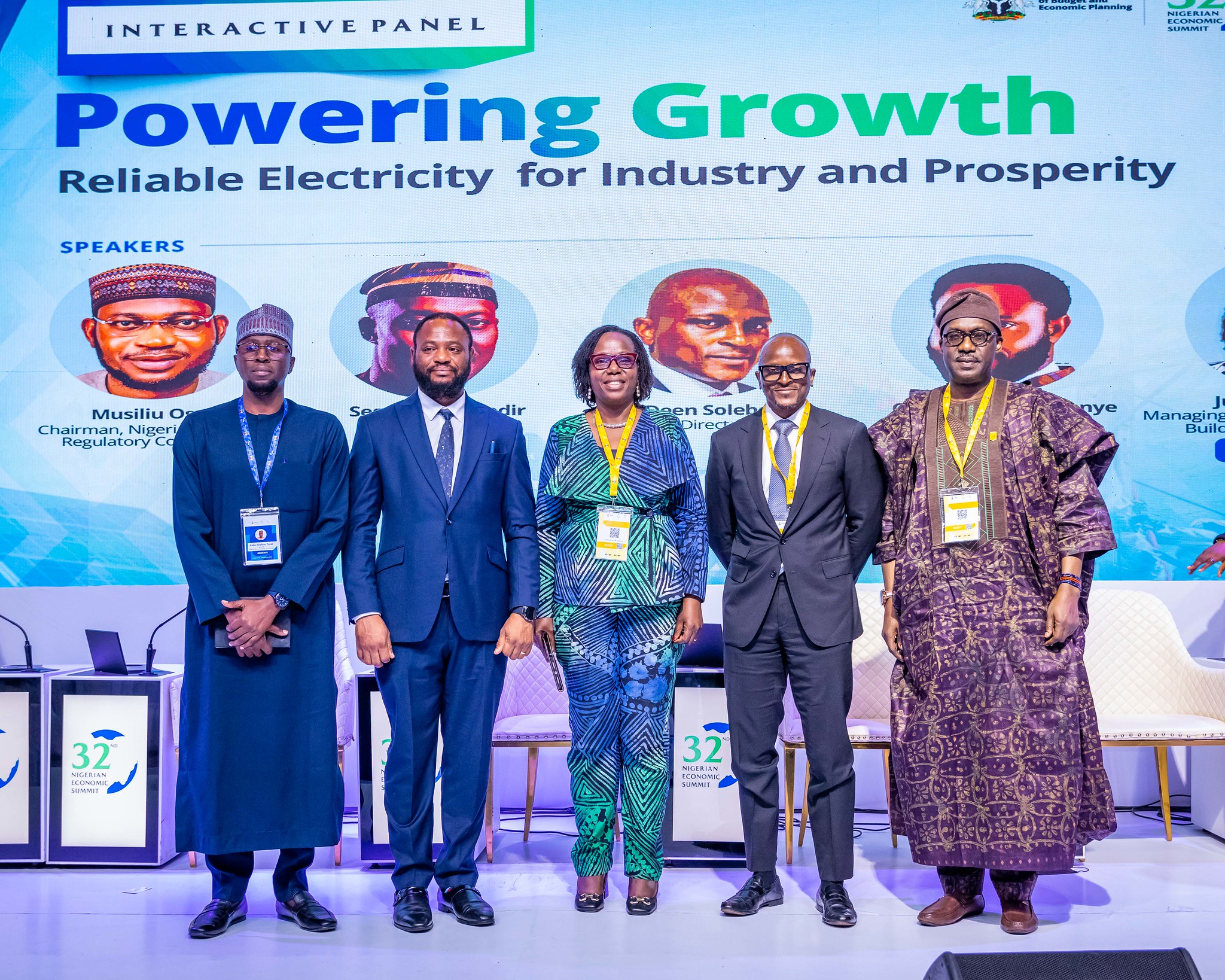
The panel session was moderated by Jumoke Delano, Managing Consultant at Competence Builders International. Other panellists include:
Chijioke Okwuokenye, MD of @aedcelectricity, emphasized the role of regulation in driving initiatives such as embedded generation and net billing arrangements to accelerate access to renewable energy.Deen Solebo, MD of Elektron, highlighted government efforts to strengthen gas-to-power infrastructure, enabling medium-scale power plants to serve specific geographic areas and customer clusters more efficiently.
Segun Ajayi-Kadir, DG of the Manufacturers Association of Nigeria, underscored the importance of building a viable electricity market where energy supplied to customers is delivered reliably and paid for accordingly.
The annual summit was organised by the Nigerian Economic Summit Group as part of its efforts to promote economic reforms aimed at creating an open, inclusive, sustainable, and globally competitive private sector-led economy.